Live Dental Webinars
(Showing Next 5 Upcoming)

|
 From Inspection to Resolution 2026: Real Cases of How Dental Practices Navigated OSHA Investigations From Inspection to Resolution 2026: Real Cases of How Dental Practices Navigated OSHA Investigations
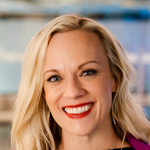
Presenter: Dr. Karson Carpenter
Sponsor: Compliance Training Partners
| Wed |
10/28/26 |
7:00 PM ET
4:00 PM PT
|
| Wed |
10/28/26 |
11:00 PM UTC
|
|
CE Credits: 1 Interactive CEU
|
|
In this one-hour CE webinar, Dr. Karson Carpenter, president of Compliance Training Partners, will review actual OSHA inspection cases that he and his technical team have been involved with in the last 12 months. The webinar will show actual citations and how the inspection progressed from notification of inspection to onsite visit, receipt of fine, and resolution.
|
Digital Workflows for Predictable Adult Orthodontic-Restorative Treatment Implementing a Digital Ecosystem
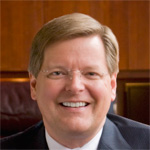
Presenter: Dr. Melissa Shotell
Sponsor: ClearCorrect
| Thu |
10/29/26 |
7:00 PM ET
4:00 PM PT
|
| Thu |
10/29/26 |
11:00 PM UTC
|
|
CE Credits: 1 Interactive CEU
|
|
Adult patients are the largest growing population seeking orthodontic treatment. Many adult patients seek clear aligners as an esthetic alternative to traditional bracket and wire treatment. Yet many adult patients present with complex restorative treatment needs that can be complimented by orthodontic treatment for improved clinical outcomes with interdisciplinary treatment plans. Adult patients require a different patient experience and seek convenient and efficient treatment. The course will cover the basics of aligner design, materials, and mechanical advantages to understand the importance of product selection in complex adult treatment plans. The CE webinar will also explore the digital workflow and digital ecosystem for office efficiency and optimal patient experience. After the webinar, the attendee should be able to evaluate and select an aligner system for complex interdisciplinary cases, and evaluate how to implement a digital workflow for enhanced treatment planning and patient experience.

|
Smarter Smile Design: Align, Whiten, and Restore
Presenter: Dr. Nicholas Garcia
Sponsor: uLab Systems
| Mon |
11/2/26 |
7:00 PM ET
4:00 PM PT
|
| Tue |
11/3/26 |
0:00 AM UTC
|
|
CE Credits: 1 Interactive CEU
|
|
In this CE webinar, join Dr. Nicholas Garcia for a practical discussion on integrating clear aligners into everyday esthetic dentistry - particularly for patients considering whitening, veneers, or other cosmetic improvements. Using a scan-first approach, Dr. Garcia will demonstrate how he evaluates tooth position, spacing, and occlusion before developing a treatment plan. Attendees will learn how to determine when to align, when to restore, and when combining treatments may create a more conservative and predictable path to the desired esthetic outcome. The webinar will provide a straightforward framework for recognizing anterior esthetic aligner opportunities, sequencing complementary services, and confidently presenting comprehensive treatment options to patients.

|
Oral Cancer Screening: It’s More Than Grasping the Tongue
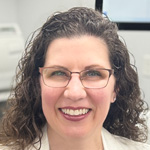
Presenter: Susan Cotten, BSDH, RDH, OMT
Sponsor: VOCO America
| Tue |
11/3/26 |
7:00 PM ET
4:00 PM PT
|
| Wed |
11/4/26 |
0:00 AM UTC
|
|
CE Credits: 1 Interactive CEU
|
|
Both dental hygienists and dentists play an important role in the early detection of oral cancer, yet there is a critical gap in screening protocols. After performing an oral cancer screening, patients often say, "No one has ever done that before." This CE webinar breaks down the components of a comprehensive visual and tactile, extraoral, and intraoral evaluation, and the signs and symptoms associated with oral and oropharyngeal cancer as an important component in screening. Using Susan’s instructional screening videos and case presentations, attendees will learn proper extraoral palpation, the importance of identifying lymphadenopathy, evaluation of the thyroid gland, and the oropharynx. ADA and ADHA oral cancer policies and coding will be reviewed.
A comprehensive oral cancer screening isn’t optional. Let’s close the gap together, elevate the standard of care in screening, calibrate dental professionals nationwide, and increase early detection. Attendees will leave inspired and with a renewed commitment to performing this life-saving evaluation – every patient, every visit.

|
Composite Secrets They Never Taught You In Dental School (and Still Don’t)
Presenter: Dr. Michael Morgan
Sponsor: Bisco
| Wed |
11/4/26 |
7:00 PM ET
4:00 PM PT
|
| Thu |
11/5/26 |
0:00 AM UTC
|
|
CE Credits: 1 Interactive CEU
|
|
Direct resin has become one of the restorative materials of choice in both general and high-end esthetic practices. The explosion of demand by patients for esthetic dental services has led to an array of new dental products and treatments for practitioners to choose from. A new generation of composite resins can be utilized with a simplified protocol to create amazing anterior and posterior restorations that rival the beauty and strength of porcelain.
Featured On-Demand CE Webinars
Have you ever thought that there may be a better way to provide dental hygiene care to our patients? Have you ever asked yourself why we are suffering from an oral health crisis in America in the year 2024? This CE webinar will help to provide a comprehensive approach to elevating the dental hygiene appointment for both the patient and the clinician using Guided Biofilm Therapy. This webinar will discuss utilizing the GBT protocol with your patients as a treatment for oral and systemic health. Sarah discusses the disconnect between dentistry and medicine as she helps to align the goals of the Dental Hygiene appointment and discussing the importance of effectively removing biofilm as the culprit that induces an inflammatory burden on the body. Sit back and listen as Sarah explains how to integrate the eight steps of Guided Biofilm Therapy into the Dental Hygiene appointment. Sarah has been using the guided biofilm therapy from EMS with exceptional results. Listen as she shares her tips and tricks on what to say to the patient and brings her expertise and knowledge on what we can do to enlighten our patients on the connection of oral health and systemic health.
Simplified resins systems have become available to dentists over the last few years. These new resins allow for a reduced inventory while matching with multiple shades. Layering and polishing techniques using simplified resins are discussed in this CE webinar
As adhesives and cements continue to evolve, change, and improve, it becomes more difficult for restorative dentists to keep up with the latest advances. With increasingly higher patient expectations for long term clinical success, it is important that dentists have an understanding of these materials in order to make sound decisions on what to use when and why. This CE webinar will discuss the different generations of adhesives and categories of cements including those with bioactive properties. Clinical cases will be shown to demonstrate the use of these adhesives and cements including the proper protocols that must be followed.
Featured Podcast Episodes
 Series: Bisco
CE Credits: 0.5
Series: Bisco
CE Credits: 0.5
Guest: Dr. John Gammichia
|
Today we’re chatting with Dr. John Gammichia, a general dentist who’s made a name for himself saving what many would call “bombed out” teeth — all with conservative, direct composite. We’ll dive into how he handles deep decay and pulp exposures, the materials and techniques that make it possible, and how his approach has become a real practice builder — showing that fee-for-service dentistry focused on preserving tooth structure can be both patient-centered and profitable.
Series: Bisco
CE Credits: 0.5
Guest: Dr. Carla Cohn
|
From protective liners and indirect pulp caps that help shield the pulp from further damage, to direct pulp caps aimed at maintaining vitality, to pulpotomies and pulpectomies when deeper intervention is necessary—each approach plays a key role in managing pulpal health. So, how do we determine the best course of action? To tell us all about it is our guest is Dr. Carla Cohn. She is a general dentist, devoted solely to the practice of dentistry for children. She owns and operates Kids Sleep Dentistry Winnipeg, a private practice at Western Surgery Centre in Canada. Dr. Cohn has recently founded Lit Smile Academy, a continuing dental education company. With extensive teaching experience and numerous publications, she is recognized internationally for her contributions to continuing dental education.
 Series: VOCO America
CE Credits: 0.5
Series: VOCO America
CE Credits: 0.5
Guest: Dr. Susan McMahon
|
Today, we’re tackling a question every restorative dentist has asked at some point: can one composite really do it all? For decades, we’ve accepted tradeoffs—great polish but limited strength, strong posterior composites with compromised esthetics. But composite technology has come a long way. According to our guest, Dr Susan McMahon, we’ve reached a point where a single universal composite can handle virtually every direct restorative case—and on top of that deliver stellar results. So if you’re looking to simplify your restorative workflow without compromising outcomes, this is an episode you won’t want to miss.









 Breath LIFE back into your Dental Hygiene Appointment with Guided Biofilm Therapy